Theta wave meditation guide
Theta Wave Meditation for Manifestation
A grounded look at hypnosis theta waves, what they may support, what the claims exaggerate, and how I use relaxed visualization without treating it like magic.
The short answer
Theta meditation for manifestation is best understood as relaxed mental rehearsal. Theta is a real brain-wave band, often associated with drowsiness, internal attention, memory processes, and some forms of meditation. Research on binaural beats is promising in narrow areas but mixed and limited. No credible study shows that a theta track makes a chosen event happen.
Settling down, focused imagery, and rehearsing a future action.
Guaranteed manifestation, instant wealth, or control over outside events.
What theta meditation for manifestation actually is
In plain language, it is a quiet practice that combines relaxation with a clear mental picture of how you want to live, decide, or respond.
Brain activity is rhythmic, and researchers group some EEG activity into frequency bands. Theta is commonly described as roughly 4–8 cycles per second, though boundaries vary. Theta activity can appear during drowsiness, early sleep, memory work, internal attention, and meditation. That does not mean every relaxed person is in one pure state. The brain is more complex than a five-color chart.
“Manifestation” adds a second idea: picture an outcome before it exists. The grounded version is rehearsal. An athlete pictures a movement. A speaker imagines staying composed. A business owner practices asking clearly for the sale. Mental imagery does not replace the event; it lets you meet the event with a response you have practiced.
Keep three things separate
Fact: theta is a measurable EEG frequency range.
Interpretation: a relaxed, inward state may make imagery feel easier or more vivid.
Belief: an inner image directly causes a specific outside event.
You can use the first two without pretending the third has been proved.
What the research supports—and what it does not
Studies of meditation and binaural beats do not all test the same thing. Some use music, some use two tones presented separately through headphones, and others measure experienced meditators. Outcomes, session lengths, controls, and sample sizes differ.
A 2026 systematic review found moderate improvements in at least one sleep, anxiety, mood, stress, or cognitive outcome across most of ten included trials, while warning that small samples and very different study designs limit certainty. A separate 2026 review of theta-frequency binaural beats included 13 randomized trials and described the evidence as low-certainty and too varied to pool for anxiety or cognition.
That is encouraging enough to keep studying. It is not permission to say that every listener enters theta, that a recording rewires the brain on command, or that a frequency produces a chosen financial result.
Reasonable claim
A structured audio may help some people settle, focus inward, and repeat a visualization consistently.
Exaggerated claim
Listening at a named frequency guarantees that the brain enters a special state and makes the pictured outcome appear.
Who may find theta visualization useful
The practice is a reasonable fit if you already understand that meditation is training, not a transaction. It can be especially useful for people who struggle to stay with one image when fully alert, who prefer guided audio to silent meditation, or who want a consistent bridge between a future goal and tomorrow's behavior.
It may help if you:
- Want a short, repeatable way to rehearse a conversation or decision.
- Find imagery easier as you relax toward sleep.
- Can measure the practice by actions rather than signs.
- Enjoy audio but do not need a dramatic experience for it to feel worthwhile.
It may not suit you if you:
- Expect a frequency to produce money or another exact outcome.
- Become frustrated when meditation feels ordinary.
- Use visualization to delay a difficult but necessary action.
- Need treatment for a health concern that requires qualified care.
The strongest contrary view
A fair skeptic can say that the “theta” label adds unnecessary mystery to something simpler: relax, picture a future behavior, and act. That criticism is useful. Most people do not have an EEG device at home, so they cannot confirm a particular brain state. Music, expectation, breathing, rest, and the guided voice may explain much of what they feel.
My answer is not to defend the label at any cost. If a theta-style track helps you practice consistently, use it. If silence works better, use silence. The value is in the quality of attention, the honesty of the goal, and the action that follows—not in collecting impressive frequency claims.
Sean's documented experience
The night visualization became more than an idea to me
When I was about 20, I was building my first online business. Think and Grow Rich led me into meditation, visualization, and subconscious work. One night I listened to a money visualization before bed and pictured PayPal sale notifications in my inbox.
The next morning, there were more sales than normal. I do not claim the audio caused them. The business, offer, traffic, customers, and timing were already real factors. What changed was how seriously I took mental rehearsal. I saw that an audio could help me hold one picture long enough to feel it—and then return to the work with more intent.
“That was the night I realized my brain could be trained before sleep. It was not proof of magic. It was the start of a practice.”

What lasted
Why I kept audio private for years before building HM
For more than 15 years, I kept using visualization, theta-style audio, hypnosis, and identity rehearsal as tools while building online. I used them before bed, while working, when I needed focus, and when I needed to reset. I also built my own tracks and shared some with people close to me.
The durable lesson was never “press play and wait.” Audio helped me return to a chosen direction. The results still required years of real decisions—building funnels and offers, managing advertising, making mistakes, and learning when a plan needed to change. Hypnotic Meditations grew from that private practice: simple audio that supports the work, not a substitute for the work.

Try this seven-night theta visualization experiment
Do not judge the practice by whether a large outside event appears. Judge it by a smaller, testable question: Does calm rehearsal help me make a clearer choice tomorrow?

Theta manifestation myths versus reality
Myth: 4–8 Hz is a manifestation code
Reality: it is a frequency range used to describe EEG activity. It does not encode a goal or command reality.
Myth: headphones force everyone into theta
Reality: binaural beats require separate tones at each ear, but individual responses vary and EEG entrainment is not guaranteed.
Myth: feeling vivid means it is coming
Reality: vividness may make rehearsal emotionally strong. It does not prove what will happen outside you.
Myth: action ruins manifestation
Reality: action is how a useful inner practice reaches your work, health, relationships, and daily decisions.
Use relaxing audio only in a safe setting. Do not listen while driving or operating equipment. Meditation audio is not medical care and should not replace appropriate professional support.
What HM listeners have shared
These are listener-feedback screenshots already published on the official HM reviews page. They describe personal experiences with Hypnotic Meditations, not proof that theta causes manifestation and not reviews of a book or author.
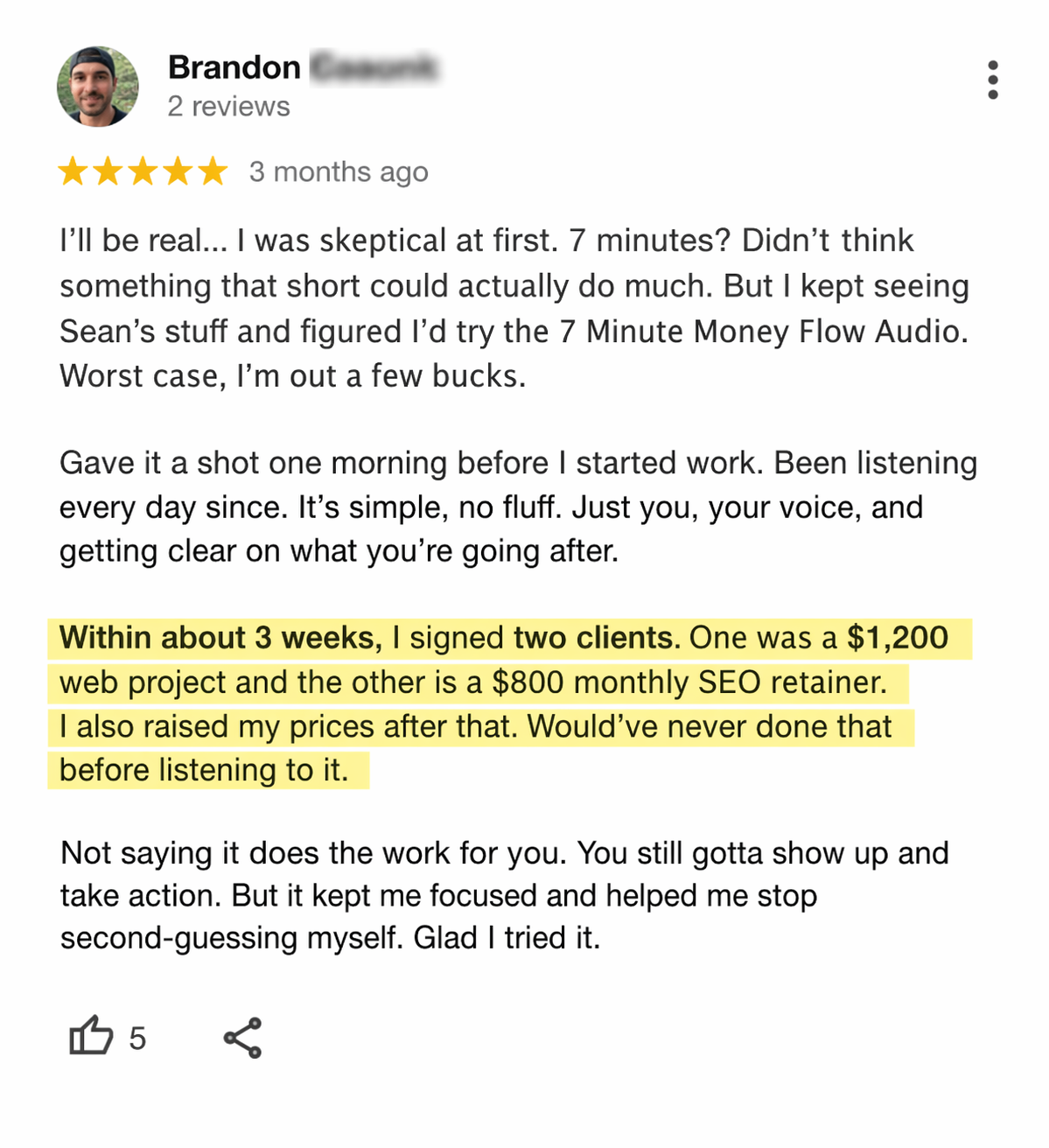

Individual experiences vary. Feedback is not a guarantee of the same result. See the full HM reviews page.
One practical next step
Use Money Magnet for future-self rehearsal
Money Magnet is the most relevant HM route for this topic because it guides manifestation and future-identity visualization. Use it as a repeatable rehearsal before sleep, then connect the session to one clear financial action. It does not guarantee income or replace strategy.
Explore Money MagnetFrequently asked questions
What is theta meditation for manifestation?
It is a relaxed meditation that combines inward attention with mental rehearsal of a desired future. Theta describes a brain-wave frequency band; it does not prove that thoughts directly create external events.
What frequency is theta?
Theta is commonly described as roughly 4–8 Hz, although exact band boundaries vary across research conventions.
Do theta waves make manifestation work?
There is no good evidence that theta waves guarantee a specific external result. A relaxed practice may make imagery and rehearsal easier, but action, skill, timing, and circumstances still matter.
Do I need binaural beats to enter theta?
No. Meditation, drowsiness, and the transition toward sleep can involve theta activity. Binaural beats are optional, and responses vary.
When should I use theta meditation?
Many people prefer a quiet period before sleep or after waking. Do not use deeply relaxing audio while driving or doing anything that requires full alertness.